A perfume package is not a list of independent parts. The fragrance, bottle, pump, dip tube, gasket, collar or crimp, cap, decoration, label, inner support and export carton must work as one system.
A sample can look acceptable on the day it is assembled and still develop leakage, weak spray, product loss, discoloration, decoration damage or closure problems later. A responsible approval therefore uses the intended formula in the intended package and records exactly what was tested.
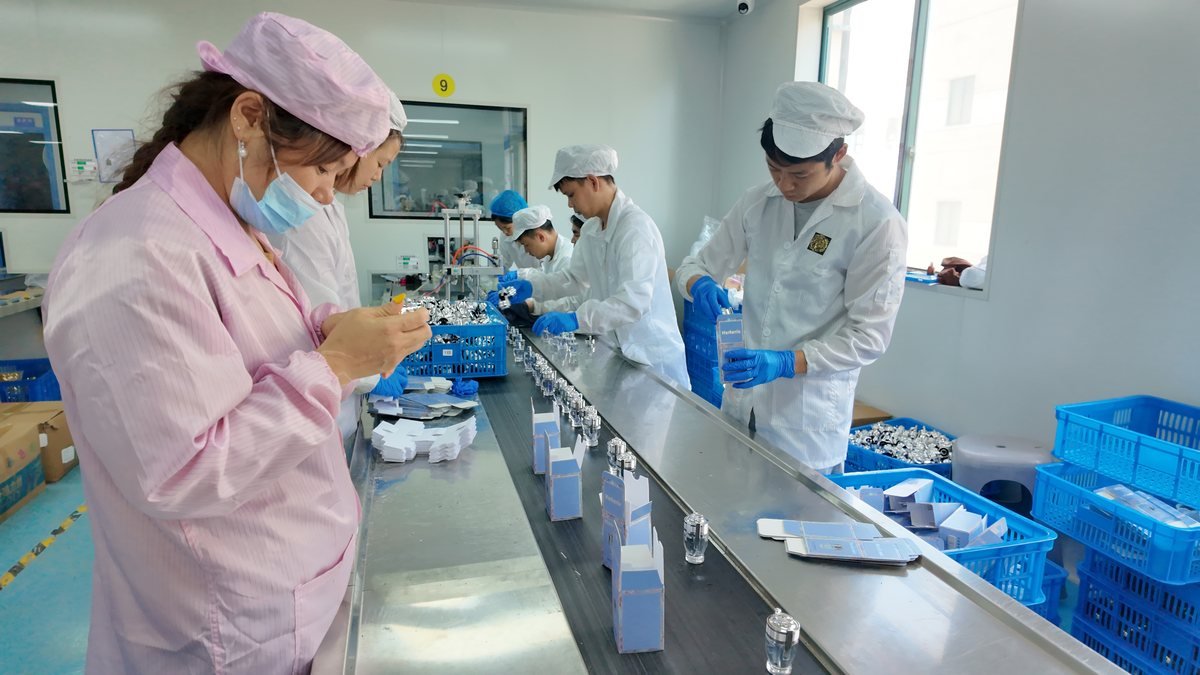
1. Freeze the Formula–Package Configuration
Before testing begins, identify every controlled item. “Same bottle” or “same pump” is not enough when materials, neck finish, gasket, dip-tube length or assembly settings can differ.
Give the assembled sample a code and date. Photograph the sample, label its storage orientation and keep a written component list. If a controlled item changes, review the affected risks and decide whether testing must be repeated.
2. Separate Compatibility From Functionality
Compatibility asks whether the formula changes the package—or the package changes the formula—over time. Functionality asks whether the assembled pack dispenses, closes and survives handling as intended. Both questions matter.
| Area | Buyer risk | Evidence to record | Possible decision |
|---|---|---|---|
| Formula-contact compatibility | Swelling, softening, corrosion, seal deterioration, odor or color change | Formula revision, component materials, storage condition, dated observations and photos | Approve, investigate or change component/formula |
| Product retention | Visible leakage or unexplained product loss | Orientation, closure configuration, initial and checkpoint observations; weight where the protocol requires it | Inspect seal path, assembly and package design |
| Dispensing function | Slow priming, inconsistent output, poor spray, dripping or actuator return failure | Buyer-defined method, sample IDs and results against an approved reference | Adjust pump/insert/dip tube or reject configuration |
| Appearance | Coating, printing, hot stamp or label damage | Artwork revision, handling/contact method and before/after photos | Change decoration, adhesive or cleaning method |
| Distribution pack | Breakage, scuffing, cap movement, leakage or carton collapse | Actual retail and shipping pack, route-based procedure and post-test inspection | Improve support, carton or closure protection |
Create a controlled observation sheet
At each agreed checkpoint, record visible leakage, unexpected product loss, spray behavior, actuator return, component appearance, cap and collar condition, decoration condition, odor or color observations and photographs. Keep an untested reference where it helps comparison.
The result should be a decision record, not just a folder of photos. Each result must lead to an approved status, an investigation or a documented change request.
3. Test Pump Performance With the Real Formula
Pump performance can be formula-specific. Aptar Beauty describes laboratory checks such as stroke-to-prime, output per stroke, spray pattern and particle-size analysis, and recommends compatibility testing because performance depends on the formula. Buyers do not need to copy a component supplier’s laboratory method, but they should define the performance they expect and test the exact project configuration.
| Check | What to define before testing | What to watch |
|---|---|---|
| Priming | Starting condition and maximum acceptable strokes | Failure to prime, delayed delivery or air leakage |
| Output consistency | Buyer method, sample count and acceptance range | Large variation, declining output or incomplete stroke |
| Spray pattern | Approved visual or measured reference | Jetting, asymmetric pattern, oversized droplets or poor atomization |
| Actuator return | Operation rate and rest condition | Sticking, slow return, blockage or deformation |
| After-rest behavior | Storage orientation and rest interval | Drip, clogging, delayed prime or formula residue |
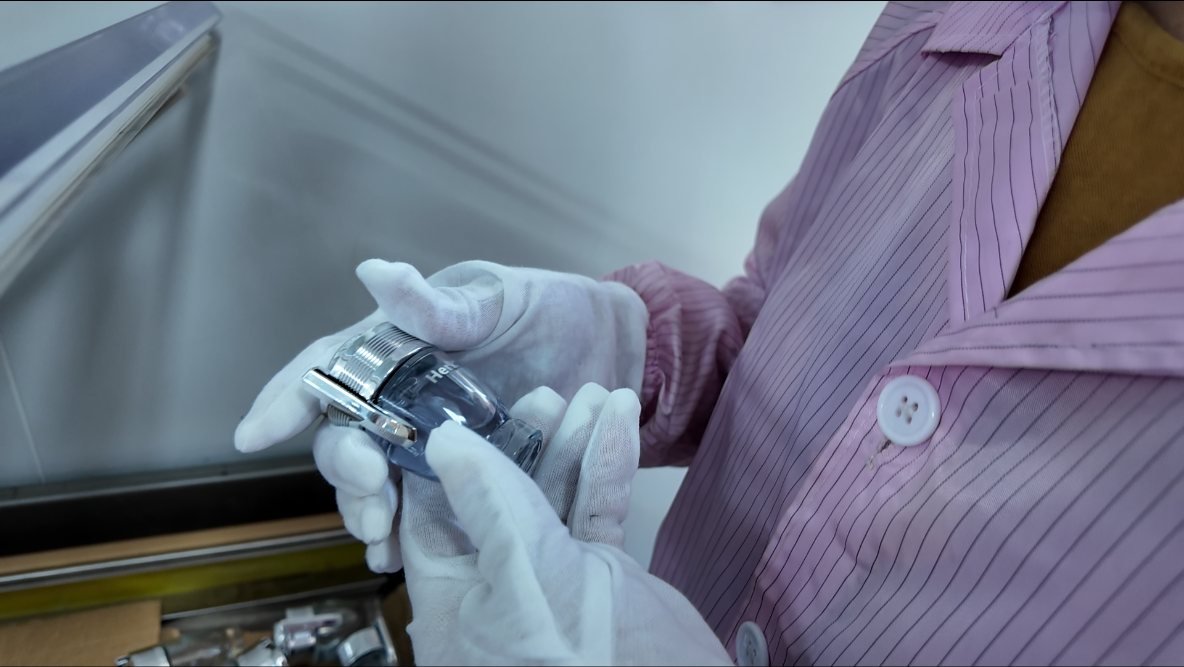
4. Control Bottle Fit, Crimp and Leakage Evidence
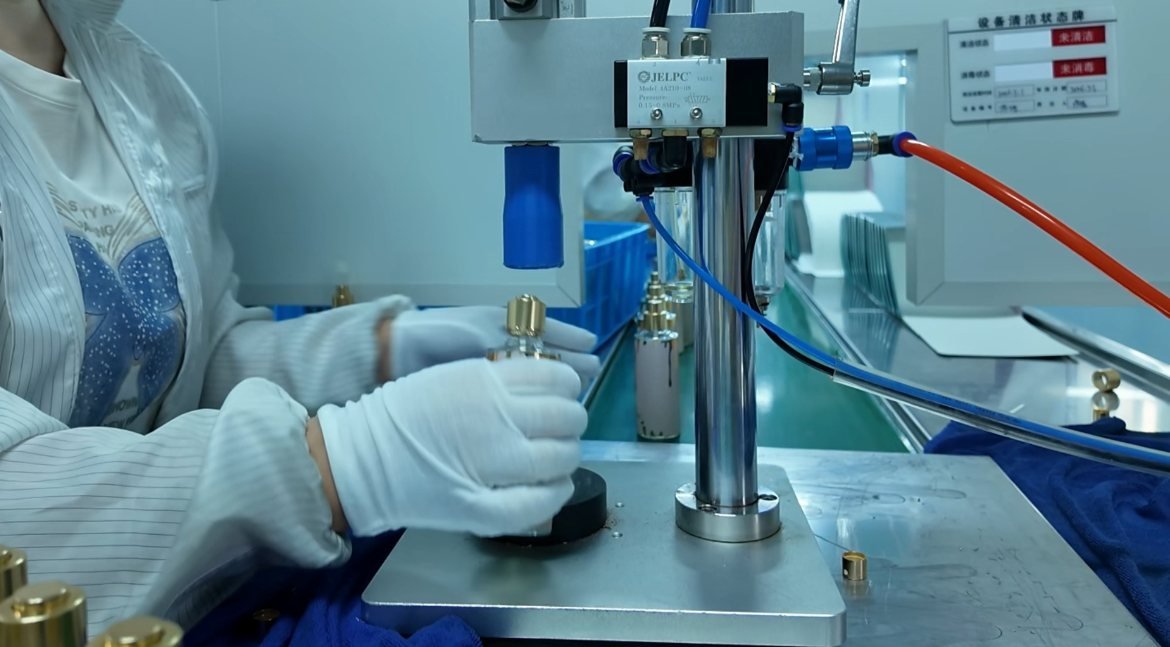
Confirm the bottle neck, pump, gasket, collar and cap references. The assembly record should identify the approved configuration and, where relevant, the controlled equipment setting or approved physical reference used by production.
- Check that the pump seats correctly and the collar is not tilted.
- Look for loose rotation, incomplete seating, pull-off risk or damage around the glass neck.
- Confirm the dip tube reaches the intended position without severe curling or obstruction.
- Check whether the cap contacts the actuator, marks the decoration or becomes loose.
- Evaluate leakage in the orientations and conditions defined by the project protocol.
- Investigate any product around the pump, collar, bottle neck or cap instead of wiping it away and approving the sample.
5. Include Decoration and Label Resistance
Perfume can contact decoration during filling, cleaning, use or leakage. Evaluate coating, frosting, printing, hot stamping and labels using the intended formula and the agreed handling method. Record whether the check covers rub, adhesion, staining, lifting, color transfer or loss of legibility.
Also define the approved cleaning method. An aggressive cleaning liquid or excessive wiping can create a different failure from the perfume itself. When a decoration or adhesive changes, reassess the affected compatibility and handling risks.
For artwork, component identification and assembled-sample release, use Songzi’s private label perfume packaging approval guide. That guide controls what is being approved; this article controls how the selected formula-package system is evaluated.
6. Match Transport Testing to the Real Distribution Route
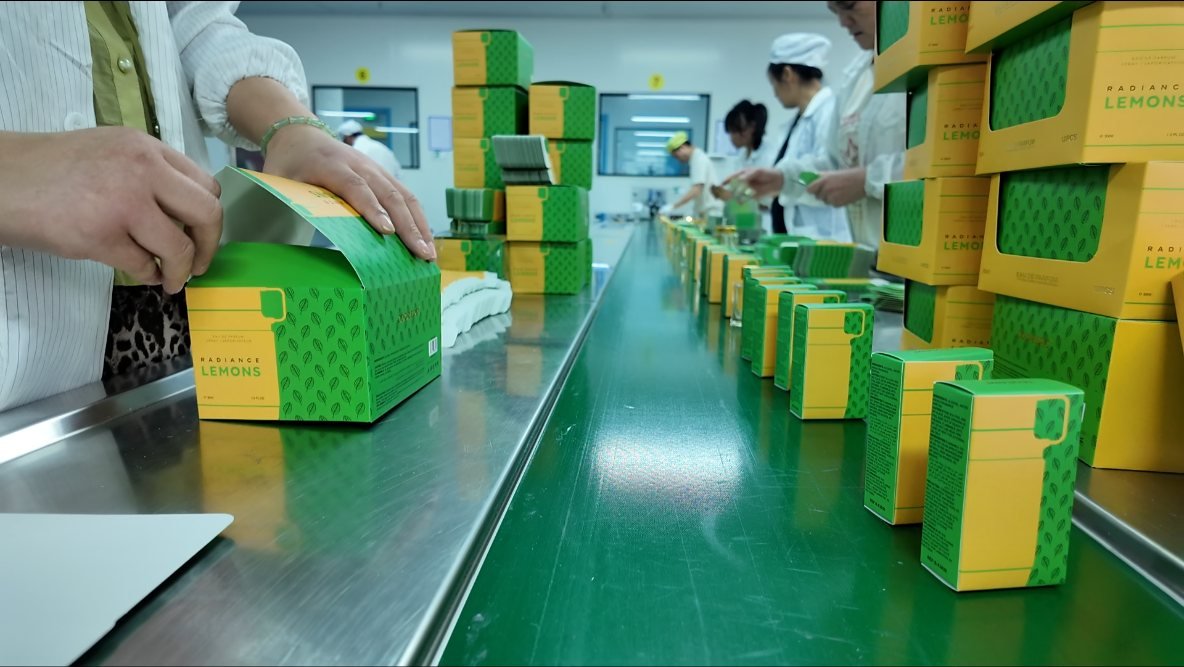
The retail bottle, inner pack and export carton must be evaluated as a packaged product. The relevant hazards differ for parcel delivery, palletized import, distribution-center movement and retail replenishment.
ISTA distinguishes screening, partial-simulation and general-simulation procedures. Its 3-Series procedures are designed to simulate transport hazards, while its selection guidance links procedures to distribution type. The buyer should select a recognized procedure or a documented protocol that represents the actual route and package format.
| Distribution question | Why it changes the test plan | Buyer input |
|---|---|---|
| Individual parcel or master carton? | Handling frequency and impact exposure differ | Sales channel and shipping unit |
| Air, sea, truck or mixed route? | Pressure, vibration, climate and duration risks differ | Origin, destination and logistics route |
| Loose cartons or palletized load? | Compression, movement and support conditions differ | Pallet and carton plan |
| Retail pack or e-commerce overbox? | Protection and presentation requirements differ | Final fulfillment configuration |
A simple office drop should not be described as an ISTA test. If certification or a formal report is required, confirm the applicable procedure and qualified test provider before the project is released.
7. Use a Traceable Release Decision
Close the review with one of three outcomes:
- Approved: the identified formula-package configuration meets the written criteria.
- Conditionally approved: limitations and required controls are documented and accepted by authorized parties.
- Rejected: the configuration cannot proceed until the identified issue is corrected and the affected checks are repeated.
Record open actions, responsible party and due date. Approval applies only to the identified formula, components, decoration and packing configuration.
| Release question | Required evidence | Status |
|---|---|---|
| Is the production formula revision confirmed? | Formula/sample code and written reference | Open / Approved |
| Are all bottle and closure references traceable? | Bill of materials, drawings or supplier references | Open / Approved |
| Were acceptance criteria agreed before testing? | Signed protocol or buyer specification | Open / Approved |
| Were deviations investigated? | Deviation record, root-cause evidence and disposition | Open / Closed |
| Does transport evaluation match the route? | Route, pack configuration and test record | Open / Approved |
| Is change control active for reorders? | Approved BOM and written change-notice requirement | Open / Approved |
Send a Test-Ready Sourcing Brief
For a private label perfume or OEM/ODM perfume project, send the destination market, formula route, bottle size, component references, estimated quantity, decoration direction and expected distribution route. Songzi can review the manufacturing scope before preparing a project-specific quotation. Buyers evaluating production evidence can also review the Songzi perfume factory page.
FAQ
Why should a perfume pump be tested with the actual fragrance formula?
Pump performance and material compatibility can be formula-specific. Evaluate the production formula in the intended bottle and pump rather than substituting a different test liquid.
What should a perfume bottle compatibility test record?
Record the formula revision, component references, assembly configuration, storage conditions, checkpoints, leakage, product loss, spray behavior, component condition, decoration condition and the written acceptance decision.
Does a leak-free sample prove the package is ready for shipment?
No. A static sample check does not represent every storage and distribution hazard. Select a documented transport test appropriate to the actual shipment route and package format.
When should compatibility be retested?
Review retesting whenever the formula, bottle, pump, gasket, crimp, cap, decoration, inner pack, export carton or assembly process changes in a way that may affect performance.
Can one universal test schedule be used for every perfume project?
No. Sample quantities, conditions, checkpoints and acceptance criteria should reflect the formula, materials, destination market, distribution route and buyer risk requirements.
Official Technical References
- Aptar Beauty — Fine Mist Spray Pumps: formula-specific selection and performance testing.
- Aptar Beauty — Laboratory Testing: compatibility, functionality, sealing, force, torque and transport-related test examples.
- ISTA — Test Procedures: procedure families and distribution simulation scope.
- ISTA — Getting Started With Design and Testing: test selection and retesting after changes.
- ASTM D4991: scope of leakage testing for empty rigid containers under differential pressure.
Related Buying Guides
Review Your Perfume Package Before Bulk Approval
Send Mandy your destination market, formula route, bottle size, component references, estimated quantity and distribution route. Actual testing and commercial terms are confirmed project by project.