OEM vs Private Label Perfume: Choose the Best Model for Your Brand
Compare the work, control, ownership and approval responsibilities behind OEM, ODM, private label and white label before you ask factories for quotations.
Compare Scope, Not Acronyms
Perfume suppliers use OEM, ODM, private label and white label in different ways. A buyer who selects a supplier from the label alone can receive a quotation for the wrong project.
The practical question is not “Which acronym is best?” It is: who defines the fragrance, who selects the packaging, what can be changed, who approves the result, and what rights does the buyer receive?
This guide uses working procurement definitions. They are not universal legal definitions and they do not state Songzi minimums, prices, lead times or ownership terms. The written scope and contract for your project must control.
OEM, ODM, Private Label and White Label at a Glance
| Route | Typical starting point | Buyer control | Supplier work | Main question |
|---|---|---|---|---|
| OEM | Buyer-owned formula or detailed specification | High when the specification is complete | Manufacturing, scale-up and assembly to the approved specification | Can the supplier reproduce the specification and protect buyer-provided inputs? |
| ODM | Buyer brief plus supplier-led development | Depends on the agreed customization boundary | Formula/product development, component selection and production preparation | Who owns or may use the resulting formula and design? |
| Private label | Existing formula or product platform under the buyer's brand | Branding and packaging control; formula control varies | Selection, limited adaptation, branded packaging and production | Is the formula shared, exclusive or changeable? |
| White label | Standard product offered to more than one buyer | Lowest | Branding or label application with few product changes | Can other brands buy the same product? |
“I want my own perfume” can mean a product carrying the buyer's brand, an exclusive fragrance, a buyer-controlled formula, exclusive packaging, or all four. A branded box does not prove the scent is exclusive. A development fee does not prove formula ownership.
OEM Perfume: When the Buyer Controls the Specification
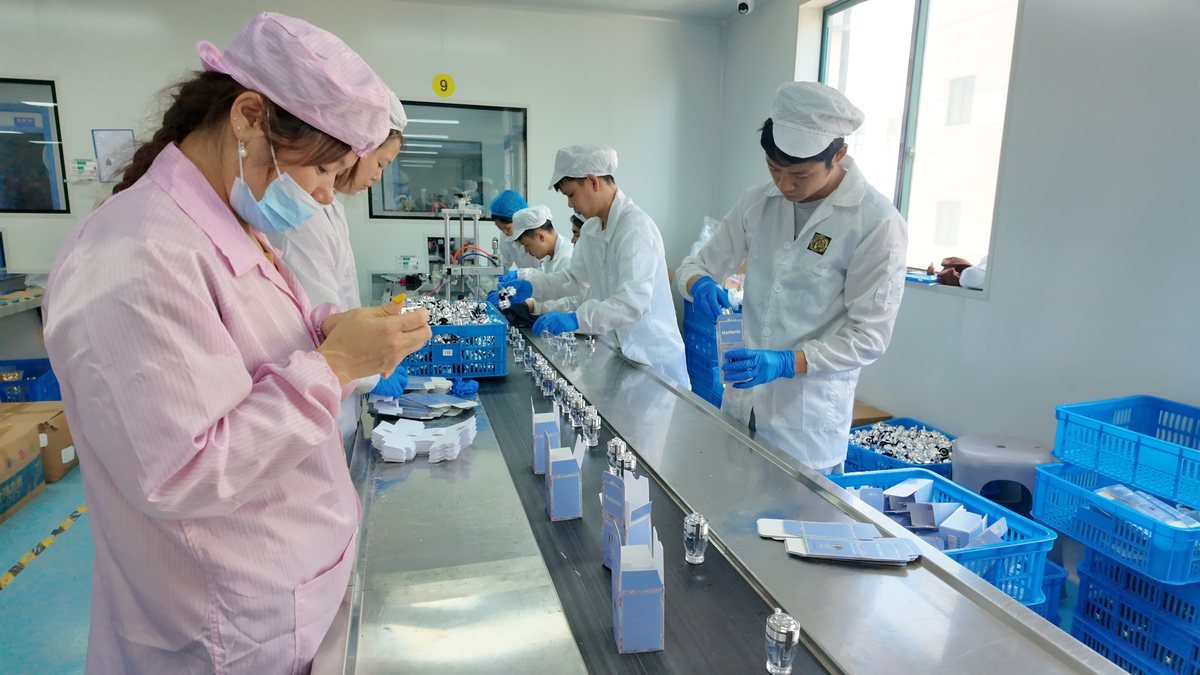
An OEM or contract-manufacturing route normally starts with buyer-provided intellectual property or a detailed product specification. The buyer may provide a formula, approved fragrance concentrate, packaging components, artwork or a controlled bill of materials.
The supplier's work may include compounding, maceration, filtration, filling, crimping, labelling, boxing and quality checks. The exact scope must be written; “OEM” does not prove that every operation is included.
OEM fits a buyer who can answer which formula revision is approved, who supplies each material, which bottle and pump references apply, what tests and acceptance criteria are required, which documents accompany each batch, and who approves substitutions.
OEM can provide strong control, but only when the specification is complete enough to manufacture. Buyers considering this route can review Songzi's OEM/ODM perfume manufacturing page and send a controlled project brief.
ODM Perfume: When the Supplier Develops from a Brief
In an ODM-style project, the buyer describes the market, customer, scent direction, concentration, presentation and commercial objective. The supplier develops or adapts a product route from that brief.
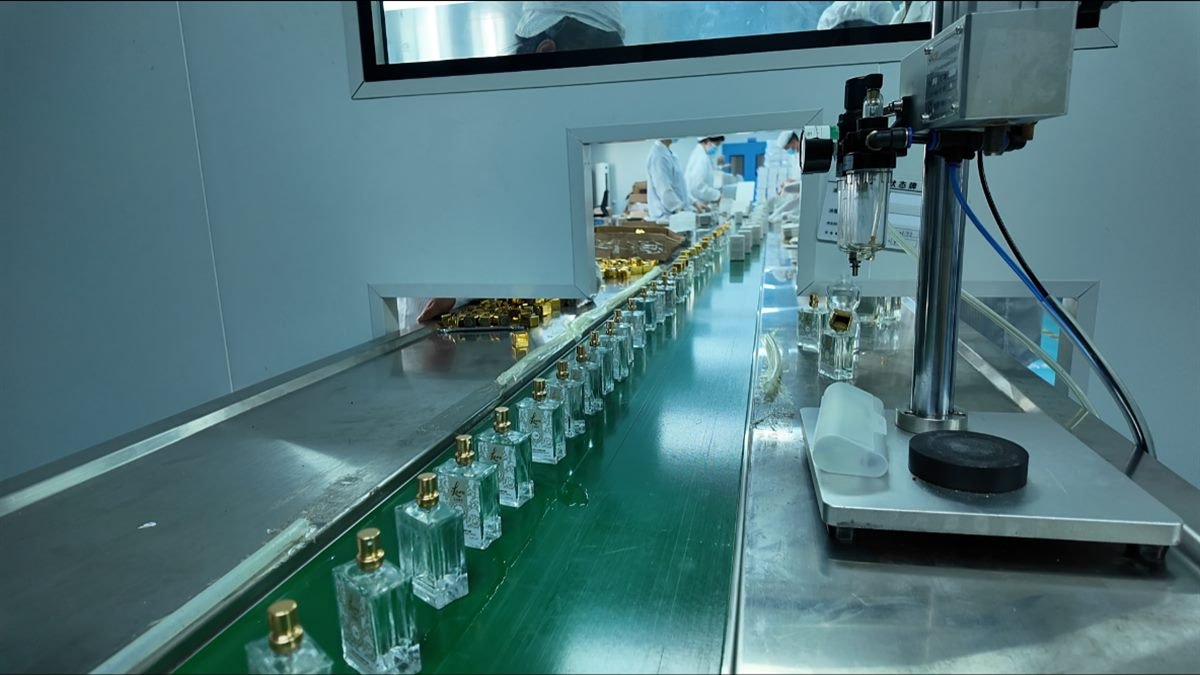
ODM can include fragrance directions and sample rounds, format selection, bottle and closure recommendations, printed-pack coordination, production preparation and a final approved specification.
Do not assume that paying for development transfers the formula. The agreement should state whether the result is shared, reserved, exclusive, licensed or assigned, and what happens if the buyer later changes manufacturer.
Private Label Perfume: A Faster Branded-Product Route
Private label commonly begins with an existing formula or product platform. The buyer adds its brand and selects from an agreed customization range: fragrance, fill size, stock bottle, closure, label, carton or gift-set configuration.
Private label can reduce product-development decisions, but it does not remove procurement work. Buyers still need to confirm formula status, component availability, artwork approval, destination-market documents, unused printed materials and repeat-order conditions.
This route may suit a distributor testing a channel or a brand extending its range without creating every product element from zero. Actual minimums, prices and timing depend on the project specification and written quotation. See Songzi's private label perfume service for the commercial starting point.
White Label Perfume: Standardization First
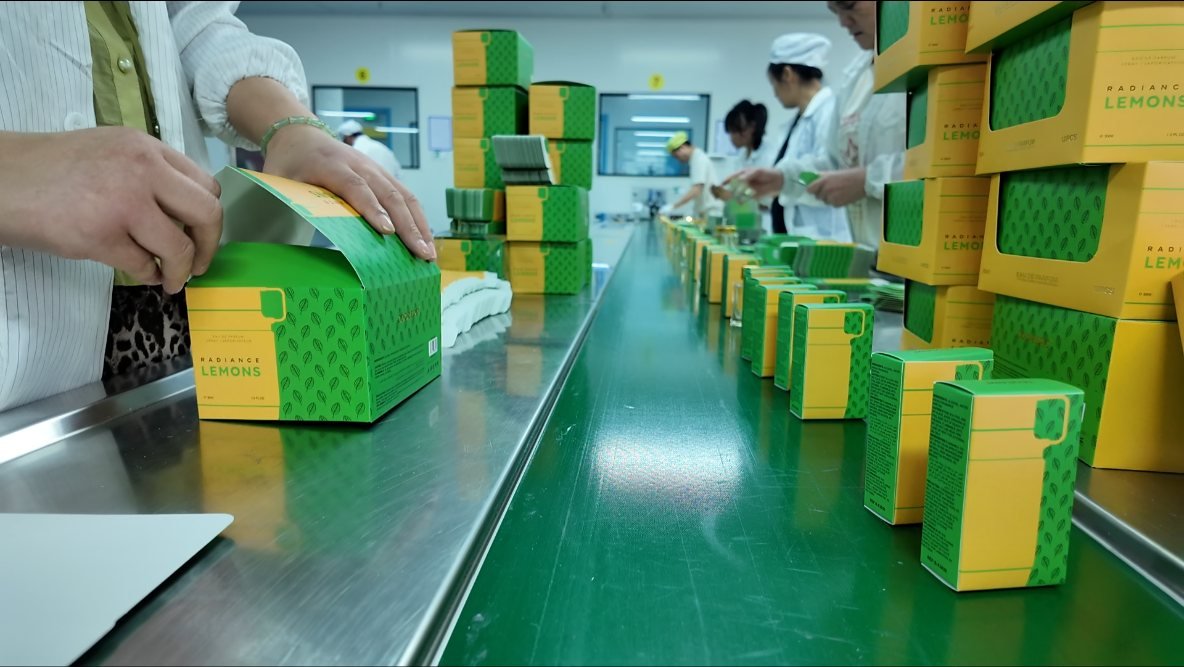
White label generally describes a standard product offered to multiple buyers with limited changes. Branding may be the principal difference. This can be useful when speed and simplicity matter more than uniqueness, but it is risky when a buyer assumes the formula or presentation is exclusive.
Ask whether the same formula and pack are sold to other brands, which elements may change, and whether any reservation by market, channel or territory is available in writing.
Ownership, Exclusivity, Licensing and Custody
Ownership, exclusivity, licensing and custody are different. A supplier may keep custody of a working formula while granting limited exclusivity. Another supplier may sell a library scent with no exclusivity. Do not infer rights from an invoice description.
- Ownership: a party owns defined rights, subject to the agreement and applicable law.
- Exclusivity: a party agrees not to supply a defined formula or product to specified others, markets or territories.
- License: the buyer receives defined permission to use the formula or product.
- Custody: the supplier retains the working formula or manufacturing records without transferring ownership.
Cross-border ownership and confidentiality questions should be written clearly and reviewed by qualified legal counsel when material. The agreement should identify the covered formula/design, permitted users, territory, duration, modification rights, tooling, artwork files, unused components and supplier-exit process.
Compare Development and Approval Workflows
| Stage | OEM | ODM | Private label |
|---|---|---|---|
| Initial input | Controlled formula/specification | Product and market brief | Selection from existing platform |
| Fragrance work | Verification, scale-up or buyer-defined adjustment | Supplier-led development and sample rounds | Selection or limited adaptation |
| Packaging | Buyer-specified, supplier-sourced or mixed | Developed from the brief | Usually selected from available components, then branded |
| Approval focus | Conformance to specification | Fragrance, pack and resulting specification | Selected product, artwork and assembled pack |
| Main risk | Incomplete or unscalable specification | Undefined ownership and approval boundaries | Assuming a shared platform is exclusive |
Every route needs an approved reference. Depending on the project, that may include a fragrance sample, assembled bottle, artwork proof, printed pack and signed specification. Use the packaging approval guide for artwork and printed-material control, and the perfume MOQ guide for component and SKU allocation.
Destination-Market Responsibilities Remain
Manufacturing route and legal market role are separate. The U.S. FDA defines the cosmetic responsible person by the manufacturer, packer or distributor whose name appears on the label. Great Britain requires a named Responsible Person and notification before a cosmetic product is made available. EU cosmetics law also assigns obligations to a responsible person.
An IFRA conformity document supports review of fragrance use against the IFRA Standards, but it does not replace a cosmetic safety assessment or all destination-market obligations. Identify the destination, label name, importer or responsible person, safety/product-file role, notification/listing role, label language and shipment requirements before quotation.
Three Buyer Decisions — Illustrative Only
The cases below are hypothetical. They are not Songzi quotations, minimums, timelines or client cases.
Distributor market test
Assumptions: two fragrances, stock bottle, branded label and carton, no formula-exclusivity need.
Likely fit: private label or white label.
Risk: assuming branded packaging makes the scent exclusive.
Signature-scent brand
Assumptions: original olfactive brief, exclusivity matters, stock packaging acceptable for launch.
Likely fit: ODM or custom development.
Risk: undefined formula access and supplier-switch rights.
Established formula owner
Assumptions: controlled formula and packaging specification.
Likely fit: OEM or contract manufacturing.
Risk: unclear scale-up, compatibility and substitution responsibility.
What to Send Before Requesting a Quotation
Prepare one project brief so every supplier quotes the same scope:
- target market and sales channel;
- buyer type: brand owner, importer, distributor or retailer;
- launch objective;
- preferred model, or request a recommendation;
- number of fragrances and SKUs;
- formula status or fragrance brief;
- ownership or exclusivity requirement;
- bottle capacity and component route;
- label, box and gift-set requirements;
- estimated quantity for supplier review;
- expected launch window; and
- destination-market documents required.
Then ask the supplier to identify assumptions, exclusions, buyer-supplied inputs, required approvals, component purchase quantities and leftover ownership.
Send Mandy a Usable Project Brief
Include your market, buyer type, formula status, SKU count, packaging direction, estimated quantity, launch window and required documents. Songzi can then discuss whether wholesale, private label or OEM/ODM is the right starting point.
WhatsApp MandyRequest a QuoteFrequently Asked Questions
Is private label perfume the same as OEM perfume?
Not necessarily. Private label often starts from an existing formula or product platform under the buyer's brand, while OEM often starts from a buyer-provided formula or specification. Suppliers use the terms differently, so compare the written scope.
Does an ODM perfume project mean I own the formula?
No. Supplier-led development does not automatically transfer ownership. Define ownership, exclusivity, licensing, access and supplier-exit conditions in writing.
Can private label perfume use custom packaging?
Yes. Formula route and packaging route are separate. Customization remains subject to component feasibility, minimums, tooling and written quotations.
Which model is fastest?
A route using an existing fragrance and available components usually requires fewer development decisions. Actual timing depends on approvals, material availability, documents and shipment planning.
What should I send Songzi before choosing a model?
Send your target market, buyer type, formula or fragrance-brief status, SKU count, packaging direction, estimated quantity, launch window and required documents.
Research Sources
- U.S. FDA — Registration & Listing of Cosmetic Product Facilities and Products
- GOV.UK — Making cosmetic products available to consumers in Great Britain
- EUR-Lex — Regulation (EC) No 1223/2009 on cosmetic products
- IFRA Standards documentation
Public supplier pages were reviewed only to understand market terminology. Their commercial figures are not Songzi terms or universal industry standards.